

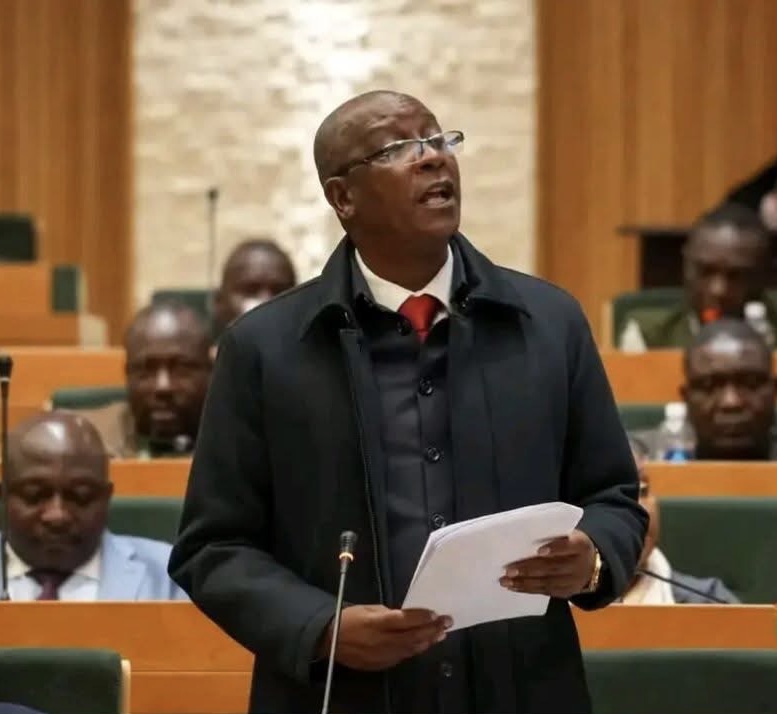
Constitutional Amendment No. 3 Bill formally introduced in Parliament
The Constitution of Zimbabwe Amendment (No. 3) Bill has officially entered the legislative process after receiving its First Reading in the National Assembly this Tuesday, marking a significant milestone in the country’s ongoing Constitutional reform agenda.
Minister of Justice, Legal and Parliamentary Affairs, Ziyambi Ziyambi, presented the Bill before Parliament following months of consultations and procedural processes that began earlier this year.
The Bill was approved by Cabinet before being gazetted in February, paving the way for nationwide public consultations conducted by Parliament across all provinces. The outreach programme provided citizens and stakeholders with an opportunity to express their views on the proposed constitutional changes in line with constitutional requirements.
The First Reading formally introduced the Bill to Parliament and sets the stage for subsequent debate and consideration by legislators before it proceeds through the remaining legislative stages.
Among the key proposals contained in the Bill are the extension of Presidential, Parliamentary and local authorities terms from five to seven years, the election of the President through a Parliamentary process and measures aimed at strengthening governance structures and institutional efficiency. The Bill also proposes reforms affecting electoral administration and the composition of certain constitutional institutions.
Ruling ZANU PF Parliamentary Chief Whip, Hon Pupurai Togarepi says legislators from both political parties are ready to debate the proposed constitutional changes.
The debate is expected to begin on Wednesday and lawmakers will scrutinise the bill that Zimbabweans say will strengthen governance structures.
Government has described the proposed amendments as part of efforts to modernise Constitutional governance, strengthen democratic institutions, improve policy continuity and support long-term national development objectives.
The tabling of the Bill follows extensive engagement with communities across the country, and more than 500 000 public submissions were made, making it one of the most widely participated-in legislative consultation processes in Zimbabwe’s history.
The development represents another step in Zimbabwe’s Constitutional evolution as the country seeks to align governance structures with its long-term development aspirations under Vision 2030.