
The presence of politically connected business figures at the meeting has fuelled concerns that Zimbabwe’s constitutional debate is being shaped not through transparent public deliberation, but through informal networks of political and commercial influence.
Recent media coverage has strengthened the perception that the amendment is linked not only to succession, but also to elite capture and opaque decision-making.
For Zimbabwe’s institutions, the test is now clear.
Public hearings and parliamentary procedure cannot by themselves cure a constitutional defect. Consultation is not the same as consent.
If the amendment changes how presidents are chosen, extends the terms of those already in office, or weakens the public’s direct vote, it must be judged against the higher standard of constitutional legitimacy.
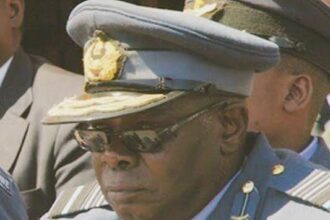
That is why Chiwenga’s most effective posture may be his least dramatic one: not as a claimant to power, but as a senior national figure unwilling to endorse rules being rewritten for anyone’s personal benefit.
As one constitutional observer put it: “The responsible position is not to demand power. It is to defend the rules by which power is transferred.”
With a parliamentary decision now approaching, Zimbabwe faces a defining choice. It can preserve the constitutional settlement that limits power, protects direct public choice and provides for orderly transition.
Or it can turn a succession question into a constitutional crisis.
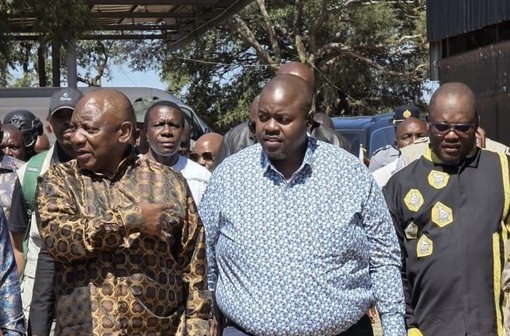
Ramaphosa’s recent visit suggests the region already understands the stakes.
Source: National Security News