

By Staff Reporter
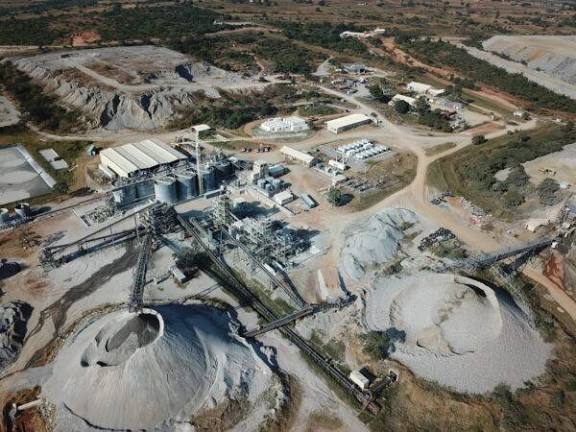
BINDURA – A litany of documents, public notices and testimonies are raising troubling questions about governance, transparency and possible undisclosed under dealings at Freda Rebecca Gold Mine in Bindura, following a controversial attempt to take over control over a mining area at Botha Gold Mine.
At the centre of the controversy is an aggressive “regularisation” drive targeting artisanal miners.
Critics say deliberately obscured the existence of an established corporate operator, while reframing the dispute as a crackdown on isolated “illegal miners.”
A Narrative That Does Not Match Reality
Several public notices issued by Freda Rebecca Gold Mine late last month described the area labelled as “ML21” as unlawfully occupied.
Contractors working at the site were threatened with arrest and urged to immediately regularise their operations with Freda.
However, seen by The Harare Times show that the area has been running under Botha Gold Mine for over a decade, a structured entity with contracts, compliance systems and payment frameworks.
A close sources allege that this was not accurately presented to Freda Rebecca board, creating the impression that management was confronting informal miners rather than a fully operational company.
Criminal Law as Leverage
Sometime in January 2026, Freda Rebecca Gold Mine referenced police complaints and provisions of the Mines and Minerals Act, warning miners of criminal consequences.
Registration exercises followed days later.
Contractors on the ground allege that participation was driven by fear.
The registration forms:
• offered no shaft allocations,
• contained no binding terms and conditions, and
• required blanket consent to future, undisclosed rules.
Legal experts warn that such measures, in the absence of a court order on authority, may amount to coercion rather than lawful process.
The Insider Factor
Perhaps the most controversial element is the role of one, Angela Mpofu-Chisvo, appointed as Project Manager for “ML21.”
Previously involved within Botha’s contractor ecosystem, she is now positioned as the gatekeeper for contractor verification, negotiations and redirection of payments and production percentages.
Governance experts say this presents serious conflict of interest risks, particularly amid untested but persistent allegations that undisclosed financial incentives may underpin the arrangement.
Control Through Cashflow
Another notice was issued on 30 January instructed miners to continue operating, but to remit all payments exclusively through Freda Rebecca managed, Mpofu-Chisvo.
Contractors were warned not to pay any other party.
Industry experts describe the move as a classic tactic to establish de facto control through cashflow, in the absence of legal authority or remains unresolved.
A Call for Scrutiny
Taken together, the pattern is troubling, criminal threats before court determination, registrations induced under fear, payment redirection without title clarity, ignored historical land issues and a conflicted intermediary at the centre of operations.
Whether these actions constitute corruption, gross mismanagement or governance failure is now a matter for regulators and Freda Rebecca board to examine.
What is clear is that miners’ livelihoods have been placed at risk; not by the courts, but by a strategy that appears to prioritise control over due process.
When corporate disputes are managed through fear rather than law, the real casualties are trust, transparency and the rule of law.