

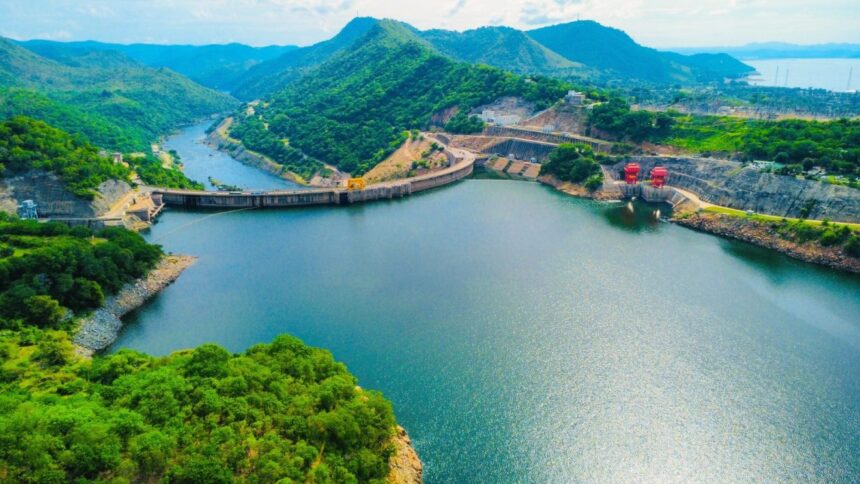
Water levels at Lake Kariba have risen steadily on the back of continued rainfall, improving prospects for power generation in Zimbabwe and Zambia, the Zambezi River Authority (ZRA) announced on Monday.
In its weekly update on 4 May 2026, the ZRA said the lake level stood at 480.84 metres, up from 477.65m recorded on the same date last year.
The rise has been driven by rainfall on and around the lake and its catchment, together with steady inflows from the Zambezi River.
The Authority expects the increase to continue as the 2025/2026 rainy season progresses.
The higher levels have boosted usable water for electricity production. Usable live storage for power generation now stands at 38.11%, more than double the 14.93% recorded on 4 May 2025.
Usable live storage volume has risen to 24.69 billion cubic metres (BCM), up from 9.67 BCM a year ago.
However, current levels remain below the benchmark set in 2018, described by the ZRA as a “Good Year”.
At that time, the lake was at 484.97m with usable live storage at 70.40%, or 45.62 BCM.
Kariba Dam is designed to operate between 475.50m and 488.50m for hydropower generation, with a 0.70m freeboard.
At 480.84m, the lake is now well within the normal operating range.
Lake Kariba is a critical power source for both Zimbabwe and Zambia. Low water levels in recent years forced deep cuts in generation, contributing to load shedding in both countries.
The improved inflows will ease pressure on power utilities ahead of the peak winter demand period.